Here is a small consumer protection idea that feels obvious the second you say it out loud: if a rental car company receives a notice tied to your rental car, it has to show you the notice before it charges you an admin fee.
Not a vague line item. Not a mystery charge weeks later. Not a receipt that says "violation processing" while hiding the actual violation. The real notice. The date. The agency. The location. The plate. The amount. The appeal instructions. The thing you would have received if the car had been registered in your name.
The rule should be simple enough to fit on a bumper sticker: Notice first or the fees reversed.
No notice, no fee.
If the rental company wants to charge a processing fee, it must first prove it forwarded the underlying toll, ticket, fine, or parking notice to the renter, and the renter has a reasonable window to pay or dispute the charge, before the company can charge an admin fee.
The current setup is backwards
Rental car companies sit between the driver and the government or toll operator. That makes sense because the car is registered to the company. But that middle position creates a power problem. The company gets the notice first, controls the information, pays or processes the charge, and then bills the renter with an extra fee attached.
The renter is often the last person to see what happened. Sometimes they never see it at all. They just see a charge from the rental company and have to decide whether it is worth spending an afternoon fighting a $35, $50, or $75 fee.
That is not accountability. That is paperwork leverage. The company has the document, the billing relationship, and the credit card. The renter has a memory of a trip from three weeks ago and a customer support queue.
The fee can also dwarf the thing it is supposedly processing. In the rental toll lawsuits that made this issue visible, renters alleged tiny tolls ballooning into much larger bills once "convenience" or processing fees were attached. That is why this belongs in the junk-fee conversation. The argument is not about dodging legitimate public charges. It is about stopping a document-handling step from becoming the most expensive part of the event.
Why the reform is reasonable
Tiny toll, giant fee
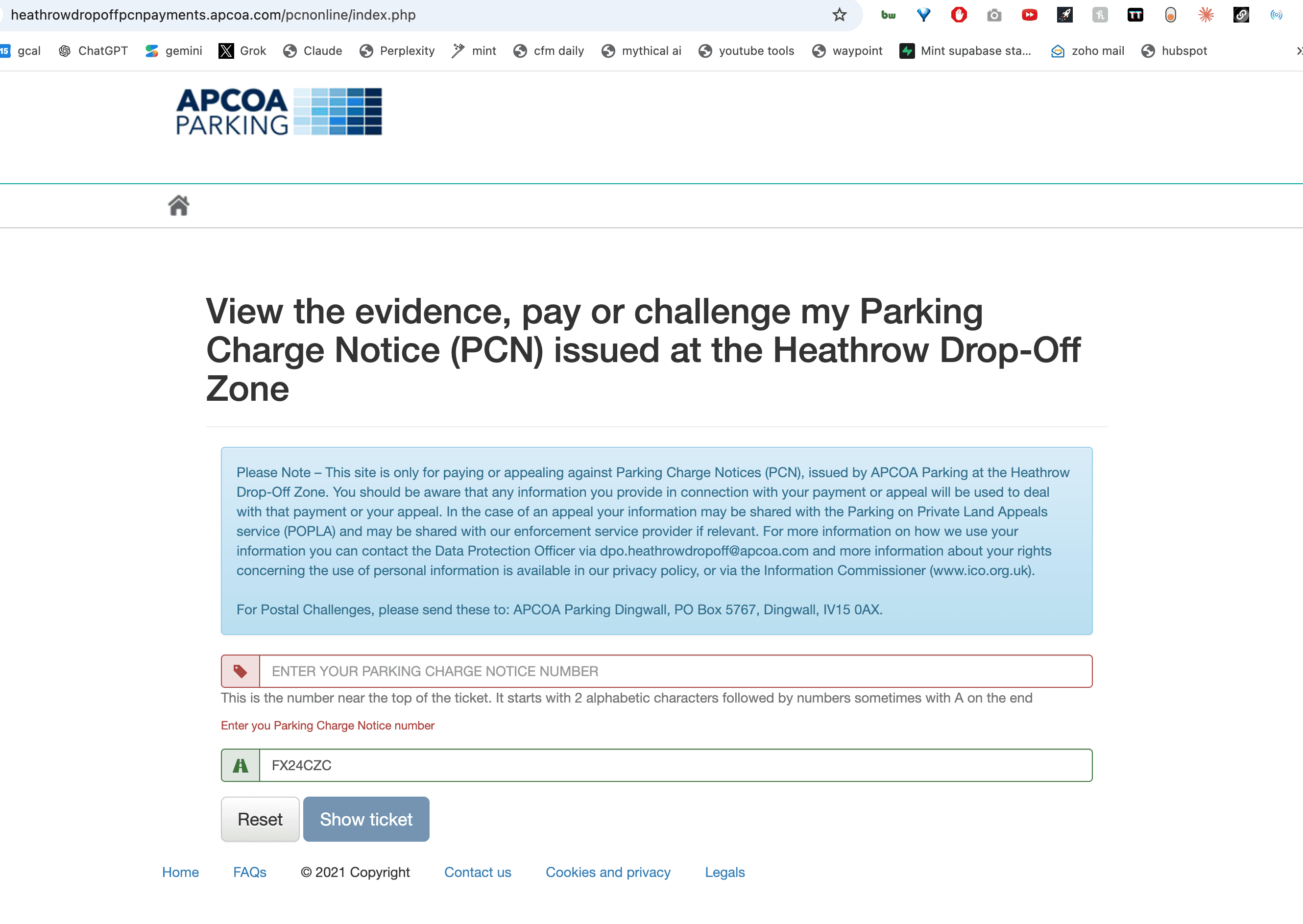
Public lawsuits have alleged examples like a 75-cent toll turning into a $15.75 rental-car charge. I experienced the same problem firsthand: a £5 congestion charge turned into a £40 admin fee. That ratio is the whole problem in miniature.
The notice already exists
Toll agencies, cities, parking authorities, and camera programs already generate the underlying record. Rental companies are not inventing the data. They are receiving it.
Digital delivery is cheap
An email, SMS, app notification, or receipt-portal message costs a rounding error compared with the $10, $30, or $40 processing fees renters often see.
Transfer-first models work
Some public systems already let fleet owners transfer liability to the hirer so the actual driver receives the ticket or fine directly. The reform is not fantasy; it exists in pieces.
The Notice First standard
This is not complicated regulation. It is a basic order-of-operations rule. Before a rental car company can charge an administrative fee connected to a toll, ticket, fine, camera notice, parking notice, impound notice, or similar claim, it must do four things.
01
Send the notice
If a toll agency, parking authority, city, camera program, or court sends a notice connected to a rental car, the rental company must forward the actual notice to the renter first.
02
Start the clock after proof
The renter's response window should start when the company proves the notice was delivered, not when a private back office quietly received it.
03
Cap the admin fee
If the company did real work, it can charge a small, disclosed, reasonable processing fee. It should not turn a $3 toll or $25 ticket into a revenue product.
04
Reverse fees without notice
If the company charges an admin fee before forwarding the notice, the fee comes back automatically. Notice first or the fees reversed.
This is not anti-fee. It is anti-ambush.
If a renter runs a toll road, parks illegally, or gets a camera ticket, they should have to deal with it. The argument is not that renters get a free pass. The argument is that people deserve the same basic information and response rights they would have had if the notice came directly to them.
A fair fee can exist after fair notice. A company can recover real processing costs after it has done the work transparently. What should disappear is the profit center where the actual notice is buried and the admin fee becomes the main event.
That distinction matters politically. A total ban on every processing charge would be cleaner, but harder to pass. The more durable rule is sequencing: show the renter the claim, give them a real chance to handle it, transfer liability when the law allows it, then cap any remaining fee at something tied to actual work.
Who this helps
- Families who rent cars on trips and get surprised weeks later.
- Business travelers trying to reconcile receipts instead of decode mystery charges.
- Tourists who do not know a city has camera tickets, toll-by-plate roads, or confusing parking rules.
- Careful drivers who would gladly pay a legitimate toll if someone simply showed them the bill.
In other words, almost everyone who has ever rented a car. This is the kind of consumer issue that cuts across politics because nobody likes being surprised by a fee they cannot inspect.
The law should be boring and clear
Legislatures should require rental car companies to forward notices by email and, when available, through the renter's online receipt portal. The forwarded notice should include the original document or a complete digital copy, the date received by the rental company, the date forwarded to the renter, the amount of the underlying charge, and any deadline to pay or contest it.
If the company cannot prove notice was forwarded before the admin fee was charged, the admin fee is automatically reversed. If the renter pays the underlying toll, ticket, or fine directly within the allowed window, no extra processing fee should be added unless the company can show a real remaining cost.
The point is not to make rental car companies helpless. The point is to make them behave like temporary custodians of information, not tollbooths attached to your credit card.
What a real notice must include
A notice-first law only works if the notice is useful. A vague email saying "you have a violation" is not enough. The renter needs the same facts they would need to pay, dispute, or recognize the charge as legitimate.
- The issuer or authority
- The vehicle plate, date, time, and location
- The original amount due and any current deadline
- The communication, reference, or notice number required to pay or look up the charge
- A copy of the notice or the exact electronic data received
- Whether the renter can pay directly, dispute, or have liability transferred
- The exact admin fee the rental company wants to charge
Build in one narrow emergency exception
Sometimes a rental company really may need to act before the renter can. A congestion charge, toll notice, or parking penalty can jump to a higher amount if nobody pays or responds in time. The company can still protect the renter by paying before the deadline. But if the renter never got notice and a meaningful chance to pay or contest the charge themselves, the company should get reimbursed only for the amount it actually paid.
The rule should be this: a rental company may recover an administrative fee only when it first provides the renter with notice and a meaningful opportunity to resolve the matter directly. If the company resolves the matter before providing that notice, it may recover only the underlying charge actually paid.
Otherwise the company has a built-in conflict of interest: should it notify the renter and let them pay the $5 charge, or pay it itself and collect a $40 fee? A good law removes that choice. If there is time, send notice. If there is not time, they may choose to protect the renter, but either way they are not allowed to profit by withholding notice.
The campaign
Pass Notice First laws everywhere.
City councils, state legislatures, attorneys general, airport authorities, and consumer protection agencies should all be able to agree on this: a rental company cannot charge an admin fee for a notice it has not shown to the renter.
Put it in rental agreements. Put it in state law. Put it in airport rental car rules. Put it on the customer service script. Notice first or the fees reversed.